Runable vs Canva
Both platforms create more than graphics. Canva combines branded design, team editing, and interactive Canva Code projects. Runable combines webapp building with research, presentations, documents, and media.
Feature comparison
Runable vs Canva
What you can create with Runable
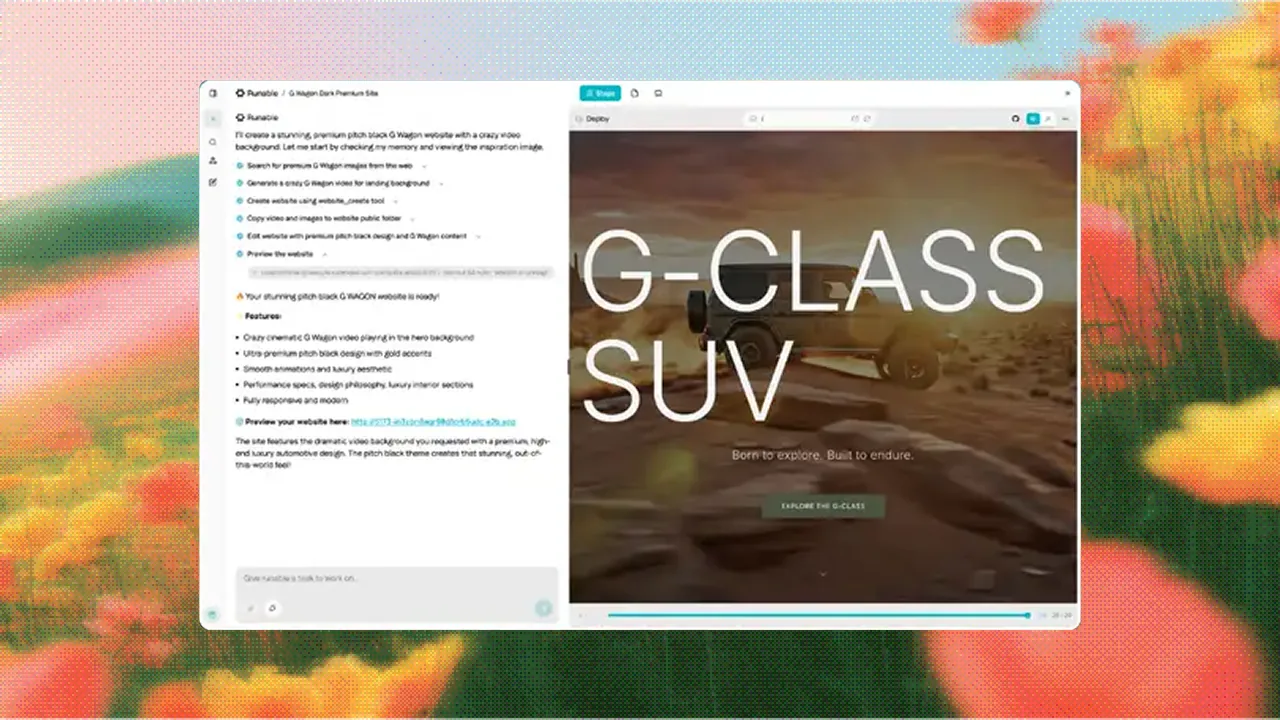
Build webapps
Build websites from a brief, then refine the design and functionality with visual editing and code access.
Start for free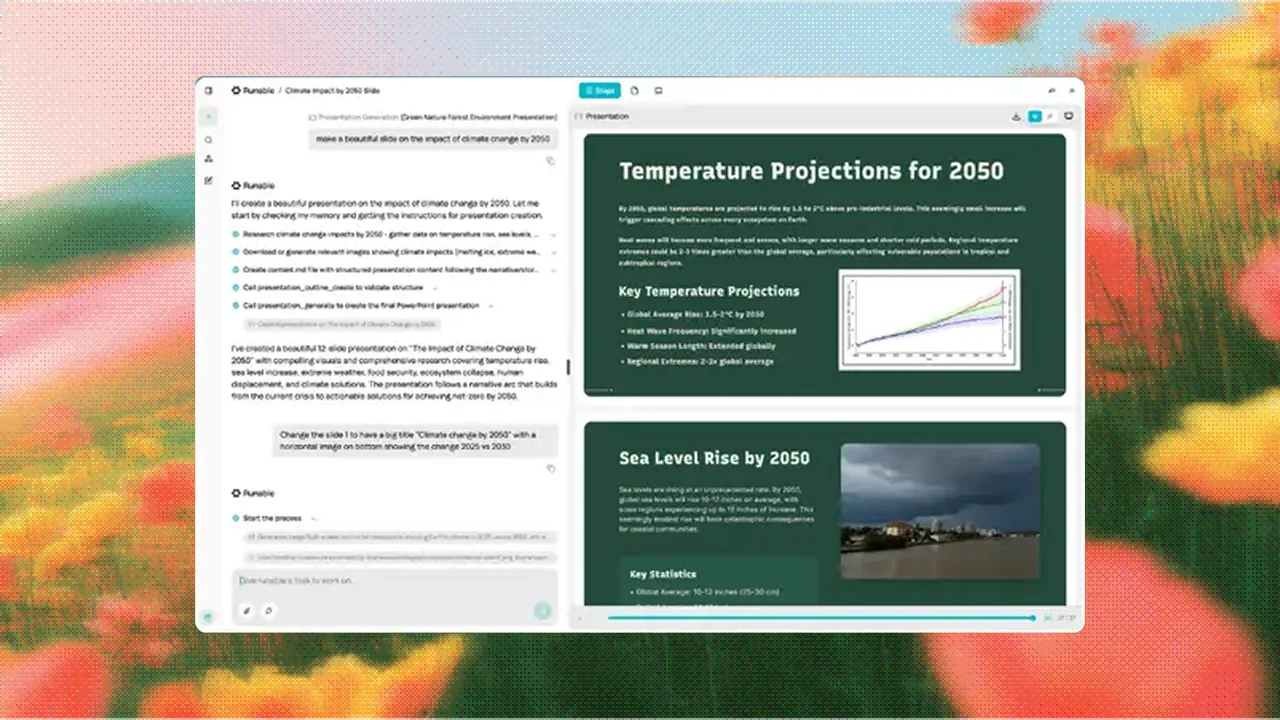
Create presentations
Turn your ideas and source material into a presentation you can edit, review, and share.
Start for free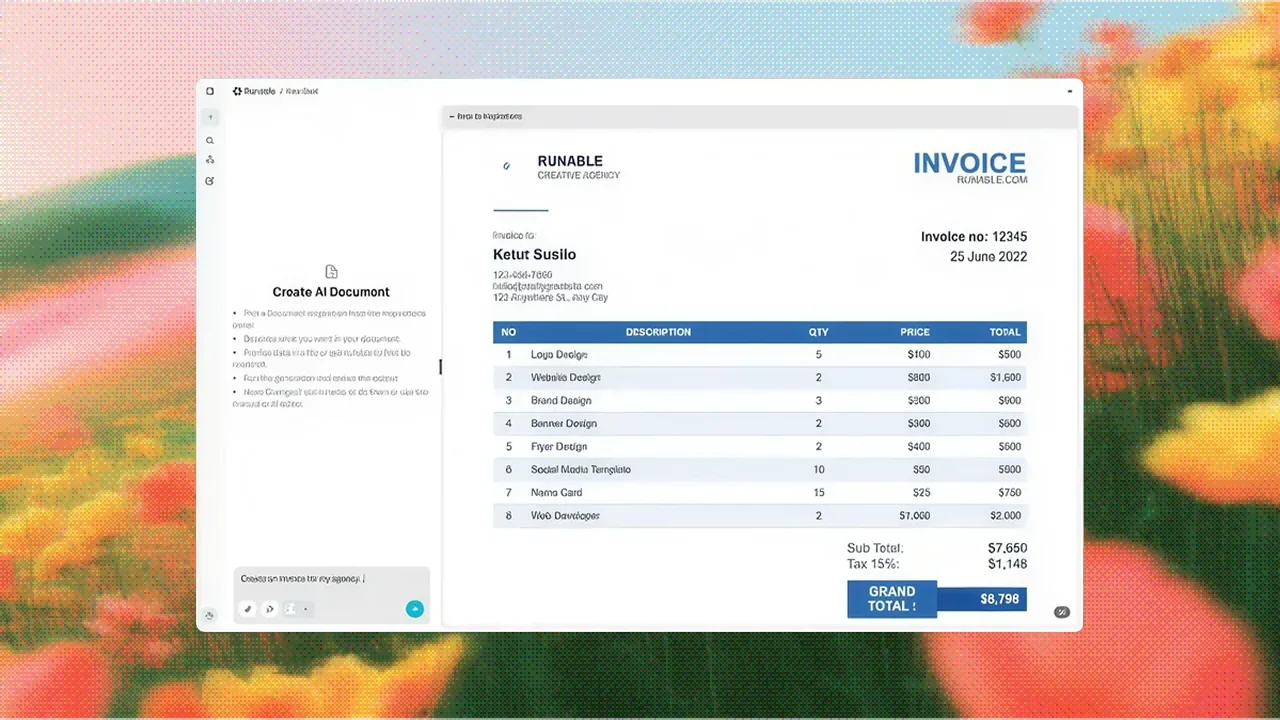
Write documents
Create research reports, proposals, resumes, and other documents, then refine their content and formatting.
Start for free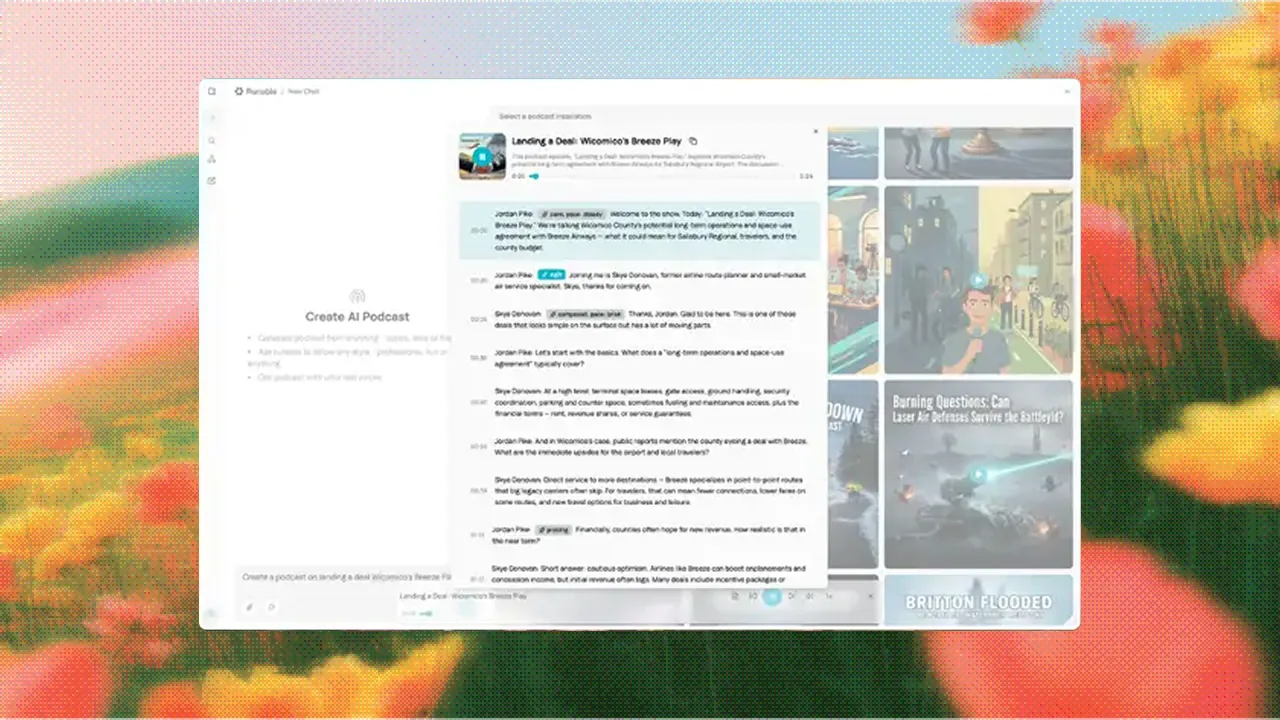
Produce podcasts
Develop a script and generate audio for a podcast or a narrated project.
Start for free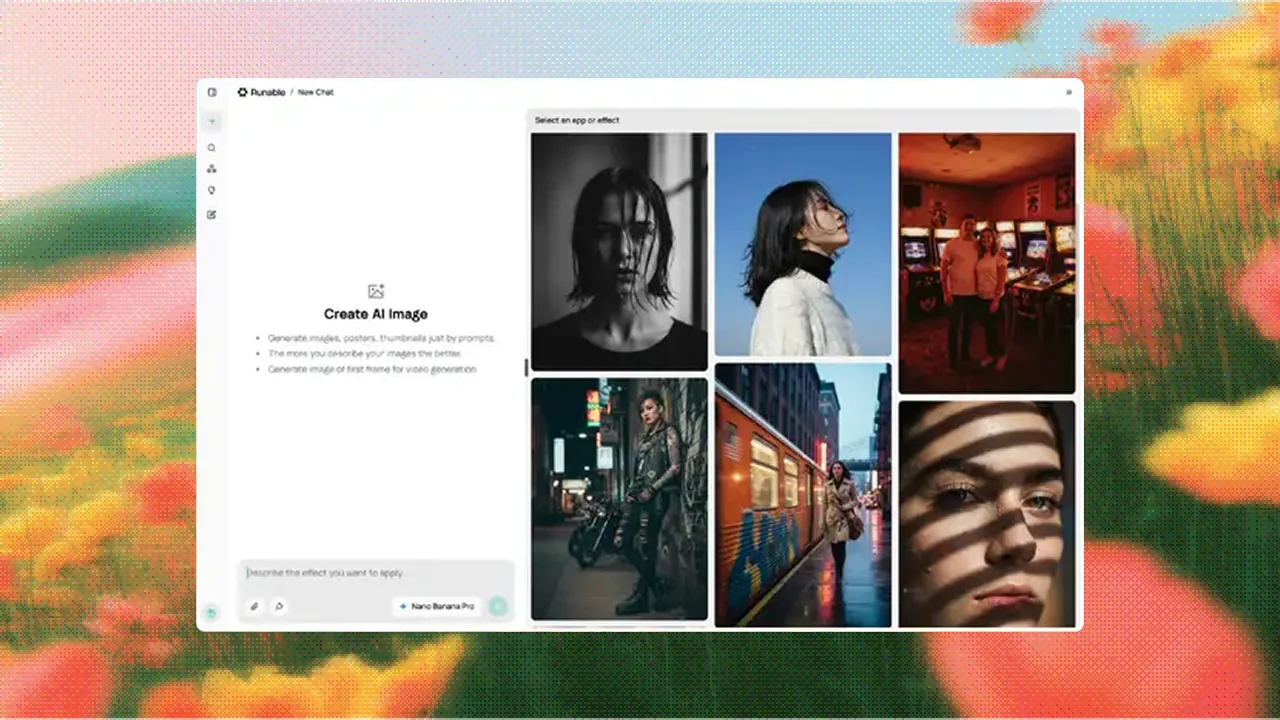
Generate images
Generate and edit images to support your website, presentation, or campaign.
Start for free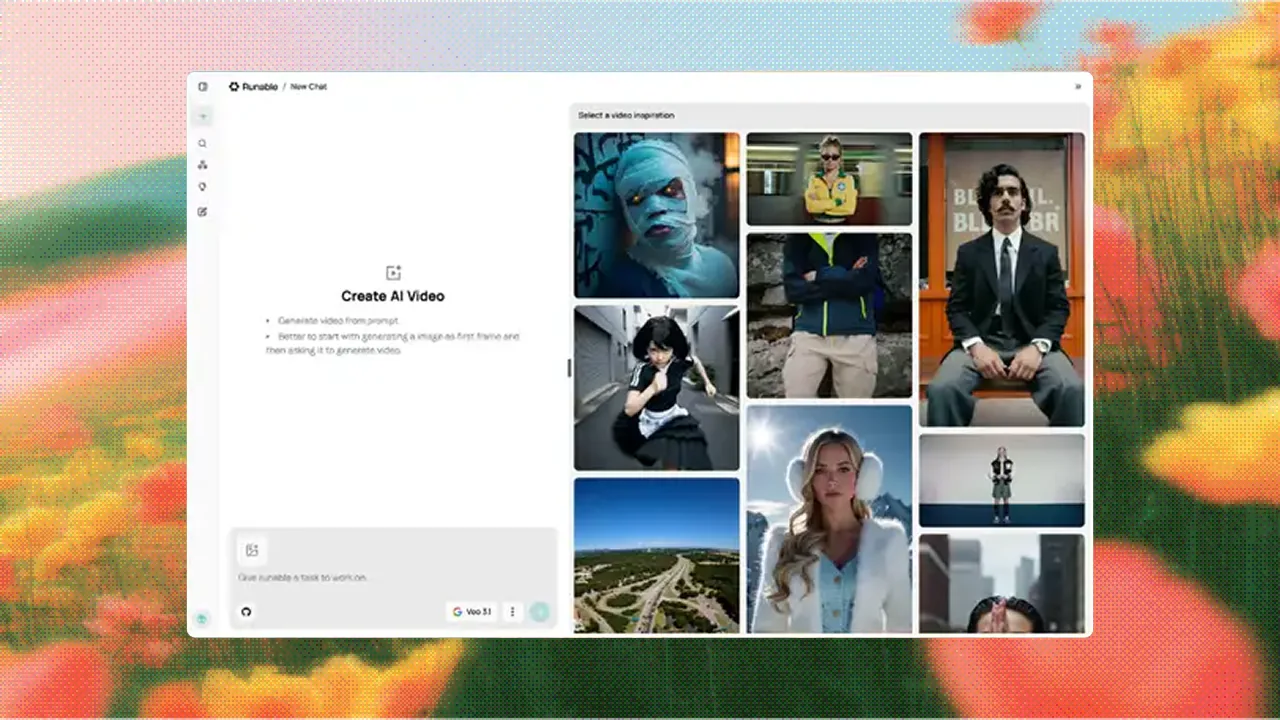
Create videos
Create video content alongside the written and visual material for your project.
Start for freeChoose the workflow that fits your project
Key differences
Choose your starting point
Start with a business goal, then ask Runable to research and create the required deliverables.
Canva suits creators who want templates, direct layout control, and AI in a design workspace.
Choose the app's data workflow
Build and revise a webapp with backend logic and database integration in Runable.
Canva Code supports direct visual editing and can connect forms to Canva Sheets.
Both platforms span formats
Runable includes presentations, documents, images, video, and podcast creation.
Canva also spans multiple formats, including Sheets, Whiteboards, print, and video.
Match the daily workflow
Choose Runable for tasks that move from research into apps and content.
Choose Canva for ongoing design production with shared assets and visual collaboration.
Frequently asked questions
Compare Runable and Canva on your own project
Create websites, presentations, documents, podcasts, images, and videos from a brief.